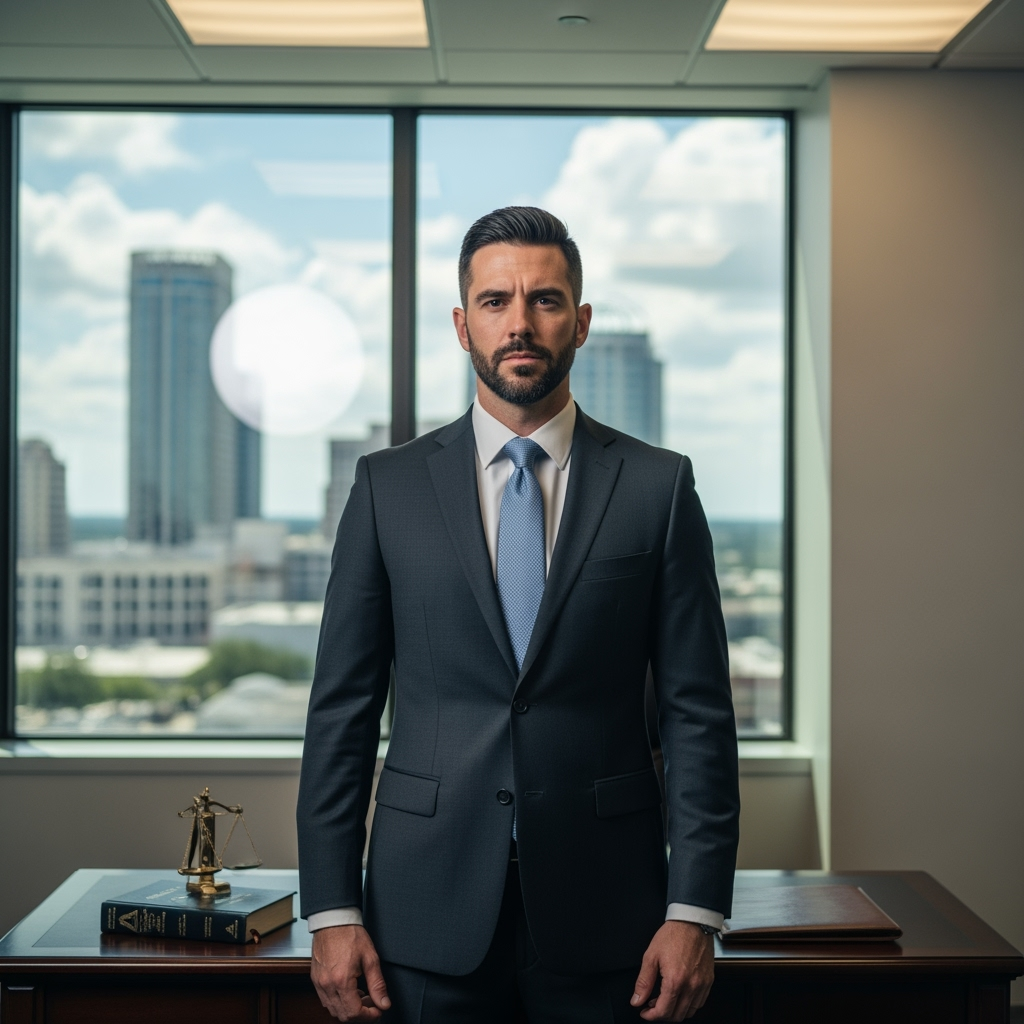
I know facing criminal charges feels like the whole world narrowed to one scary moment, and reaching for help is the smart first move. If you are searching for a criminal defense attorney in Orlando, FL, you’re not alone — and you don’t have to go through this by yourself. For context on crime trends and how law enforcement data is compiled, I often point people to the FBI homepage for national reporting and resources as they consider the local picture https://www.fbi.gov.
Why local experience matters
Not every lawyer who handles criminal cases understands the local rhythm of Orlando courts, prosecutors, judges, and probation officers. The city has its own patterns: busy dockets near downtown courthouses, heavy tourism-related policing around Lake Eola and International Drive, and specific enforcement priorities in neighborhoods like College Park, Winter Park, and Mills 50. A local attorney knows how cases move through Orange County’s system, what judges expect at arraignment, and which negotiation strategies tend to work with the prosecutor’s office.
Common charges I see and how they differ here
In my work around the city and region, several types of charges come up more than others. Each type of charge demands a different approach to investigation, evidence review, and negotiation.
DUI and traffic-related offenses
DUI cases often hinge on the traffic stop, field sobriety testing, breathalyzer results, and chain-of-custody for samples. Because Orlando is a tourist hub with busy roadways like I-4 and Colonial Drive, DUI enforcement is common and the stakes include license suspension and possible jail time. A thorough defense looks at the legality of the stop, test accuracy, and whether rights were observed during arrest.
Drug possession and distribution
Drug cases range from simple possession to charges alleging intent to distribute. Florida’s marijuana policy and shifting state laws make drug defense particularly dynamic. My approach is practical: investigate the discovery, look for unlawful searches, and examine whether evidence supports the specific charge. For low-level cases, avoiding a conviction through diversion or an expungement-friendly outcome can change a life.
Assault, theft, and domestic related matters
Allegations of assault or theft can trigger immediate consequences beyond the courtroom, like restraining orders or job loss. Domestic-related charges often require careful, sensitive handling because there are parallel civil protections and possible custody impacts. I prioritize gathering witness statements, video or phone records, and any context that changes how the event is viewed.
How a defense team builds a case in Orlando
Good defense work is methodical and starts immediately. Below are the core steps I take early in nearly every case to build a strong position and protect clients’ rights.
- Investigate the stop or arrest: gather police reports, bodycam footage, 911 calls, and witness statements to spot inconsistencies.
- Challenge unlawful procedures: review whether the stop, search, or arrest violated constitutional protections.
- Analyze evidence and lab reports: confirm chain of custody and test accuracy, especially in forensic and toxicology results.
- Craft a negotiation plan: identify diversion programs, pretrial intervention, or facts that support reduced charges or dismissal.
Trends affecting criminal defense now
Two key trends are shaping criminal defense work in this area. First, changes to marijuana laws and related enforcement have altered how drug cases are handled — many low-level offenses are now dealt with differently than a few years ago. Second, pretrial reform and evolving bail practices mean more people are released before trial, but individual circumstances and risk assessments still influence outcomes.
Staying current on these trends helps me advise clients on realistic options, from diversion programs to motions that target overly broad charges. It also means I track local policy changes in the county and how those shifts affect plea negotiation and sentencing.
What to expect in local courts
Going to court for the first time can be intimidating. In Orange County, initial appearances often focus on establishing charges, setting bail, and scheduling. Within days or weeks, defense counsel typically files motions or requests discovery. Many cases resolve before trial through negotiated pleas or diversion programs, but preparing for trial is essential because it strengthens negotiating leverage.
Here’s how the progression often looks:
- Arraignment and bail hearing where charges are read and conditions are set.
- Discovery exchange where police reports and evidence are shared.
- Pretrial negotiations or motions to suppress evidence if a constitutional violation is suspected.
- Evidentiary hearings or trial if an agreement cannot be reached.
Practical steps you should take immediately after an arrest
Your actions in the first hours and days after an arrest can have a big effect on the case. I advise clients to act deliberately and protect their rights while preserving evidence.
- Do not speak to police without an attorney present. Anything said can be used against you.
- Write down everything you remember while it’s fresh: times, locations, names, and any witnesses.
- Collect contact information for witnesses and identify any potential video or phone evidence quickly.
- Contact a local criminal defense attorney to start the investigation and handle court deadlines.
How I evaluate possible defenses
Every case is different, but common defense strategies include arguing lack of probable cause for a stop or search, attacking the reliability of witness identifications, challenging forensic or breathalyzer tests, and showing the defendant was misidentified or acting in lawful self-defense. I look at the totality of the evidence and build a narrative that supports the strongest legal argument available. Sometimes the best outcome is avoiding conviction through diversion or an agreement that preserves future opportunities.
How to choose the right attorney for this area
Picking the right lawyer is about fit, experience, and practical results. You want someone who knows the local judges and prosecutors, understands the options available in Orlando and Orange County, and communicates clearly about risks and trade-offs.
- Look for local courtroom experience and a record of practical case resolutions.
- Ask the attorney how they would investigate your specific charge and what evidence they need.
- Choose a lawyer who explains options plainly and respects your priorities, whether that’s avoiding jail time, limiting fines, or protecting your record.
Common questions I answer for clients
Will I go to jail for a first offense?
It depends on the charge, your criminal history, and the facts. Many first-time offenders resolve matters without lengthy incarceration through diversion or plea agreements, especially for minor offenses. Serious felonies carry higher risk and require immediate, aggressive defense work.
Can I get arrested for something I didn’t do?
Yes. Mistaken identity, faulty evidence, or misinterpreted situations can lead to wrongful arrests. That’s why prompt investigation, witness interviews, and evidence gathering are essential to show the true story.
How long will this take?
Case timelines vary. Some cases resolve in weeks, while others take months or longer when motions and trials are involved. Working with counsel who manages court dates and negotiations can shorten the process or at least keep you informed.
What local resources can help while your case is pending
While legal counsel handles your defense strategy, practical issues come up: job concerns, family needs, and probation conditions. Local community service organizations, treatment programs, and reentry resources can be critical, especially when seeking diversion or demonstrating rehabilitation. If your case has a substance element, completing recommended treatment can be persuasive in court and may improve outcomes during sentencing or plea talks.
Final thoughts and how to get help
When a charge lands on your record it can affect more than just the immediate outcome — it can touch your job, housing, and immigration status. That’s why choosing an attorney who understands both the law and the local court system matters. I take a practical, evidence-first approach: I investigate quickly, communicate clearly, and craft a defense that looks beyond the courtroom to your future.
If you want experienced local representation in Orlando, reach out for a straightforward conversation about your options. You can learn more and contact Criminal Attorney Orlando at Criminal Attorney Orlando.